
The Problem with Purity Tests at the Dinner Table
Every week, another food fight erupts online about what makes “real” regional cuisine. Carbonara purists lose their minds over cream. Texans declare war on beans in chili. New Yorkers act like putting pineapple on pizza violates some sacred covenant. I’ve spent fifteen years working in kitchens from hole-in-the-wall taquerias to James Beard nominated establishments, and here’s what I’ve learned: the authenticity police are missing the entire point of food.
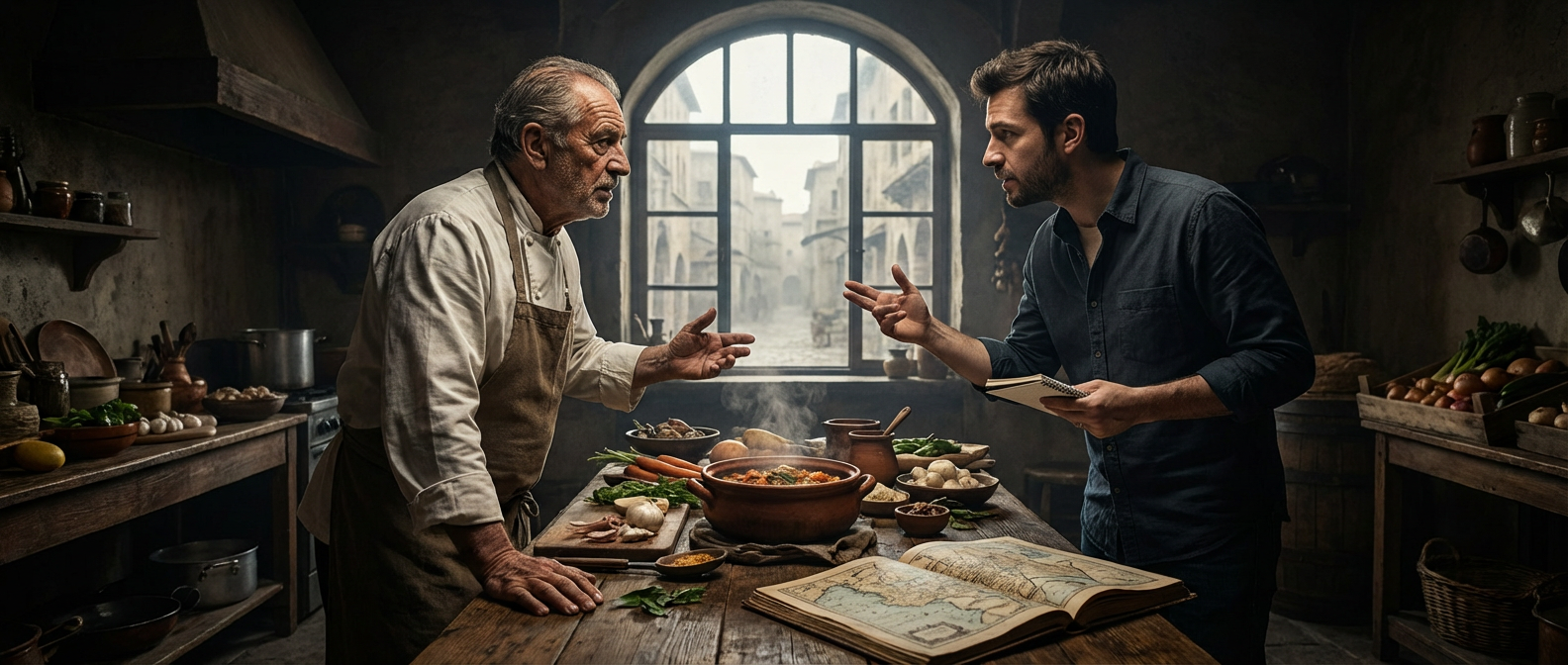
Regional cuisine authenticity debates have turned into performative gatekeeping that ignores how food actually evolves. Every technique, every “traditional” dish, every sacred recipe was once an innovation that horrified previous generations of purists. The tomato wasn’t native to Italy. Fish sauce didn’t originate in Vietnamese kitchens. Even that “authentic” New York pizza style everyone defends so fiercely? It’s a distinctly American interpretation of Neapolitan techniques, adapted for different ingredients and different ovens.
When diners walk into restaurants clutching their preconceived notions of what regional food “should” be, they’re often setting themselves up for disappointment based on arbitrary standards that don’t actually improve their dining experience. More importantly, they’re missing opportunities to discover excellent food that happens to color outside the lines of whatever they consider authentic.

What Actually Matters: Technique Over Tradition
Here’s the reality that authenticity obsessives don’t want to acknowledge: technique beats tradition every single time. I’ve eaten absolutely transcendent “inauthentic” ramen made by a chef who understood umami development and noodle texture better than traditionalists who got hung up on using the right type of miso. I’ve had spectacular Korean-Italian fusion that worked because the chef mastered both fermentation techniques and pasta-making fundamentals.
Good cooks understand that ingredients are tools, not religious artifacts. When a Mexican restaurant in Minnesota adapts their mole recipe because they can’t source the exact chilies they’d use in Oaxaca, that’s not cultural betrayal. It’s smart adaptation. The question isn’t whether they’re using guajillo instead of chilhuacle negro. The question is whether they understand how to build layers of flavor, how to balance heat and sweetness, how to develop the complex depth that makes mole extraordinary.
The best regional restaurants I’ve encountered focus obsessively on executing fundamental techniques correctly. They understand why certain flavor combinations work. They know how to properly develop a sofrito, or build a proper roux, or achieve the correct texture in handmade pasta. These technical foundations matter infinitely more than checking boxes on some arbitrary authenticity checklist.
The Service Side of Authenticity Theater
Authenticity debates become even more absurd when you factor in the complete dining experience. I’ve watched customers praise mediocre food at restaurants with “authentic” decor and background music while dismissing superior cooking at places that didn’t fit their aesthetic expectations. This kind of thinking reduces complex culinary traditions to theme park experiences.
Smart restaurateurs understand that authenticity in service means creating genuine hospitality, not performing stereotypes. The best Korean barbecue experience I’ve had was at a place where the owner spent twenty minutes explaining different cuts of beef and cooking techniques, treating guests like intelligent people who wanted to learn rather than tourists consuming an “experience.” Compare that to restaurants that hide behind “authentic” atmospherics while putting out reheated, pre-portioned garbage that would offend anyone actually familiar with the cuisine.
Atmosphere should enhance good food, not mask bad technique. When restaurants lean too heavily on authenticity signaling through decor, music, or performance, they’re often compensating for fundamental problems in the kitchen. The neon signs and pop music don’t matter if the carne asada is gray and the tortillas taste like cardboard.
Innovation Versus Appropriation: Drawing Real Lines
This doesn’t mean anything goes. There’s a meaningful difference between thoughtful adaptation and lazy appropriation. The difference lies in understanding and respect for the techniques and traditions being referenced. A chef who studies fermentation science and develops an innovative take on kimchi deserves different consideration than someone who throws cabbage in a jar with sriracha and calls it fusion.
Cultural appropriation in food becomes problematic when it involves profit without understanding, credit without context. But innovation that builds on solid technical foundations while acknowledging influences? That’s how cuisine evolves. Every major food city in the world got that way by embracing cross-pollination rather than building walls around traditional approaches.
The most honest evaluation focuses on execution quality and respect for source material. Is the chef demonstrating real understanding of the techniques they’re adapting? Are they creating something that adds value rather than just capitalizing on trends? Are they giving appropriate credit and context? These questions matter more than whether every ingredient matches some imagined standard of purity.
Eating Better by Thinking Differently
The next time you’re evaluating a restaurant, try ignoring the authenticity question entirely. Instead, focus on whether the food tastes good and whether it shows solid technique. Is the seasoning balanced? Are proteins cooked properly? Do the flavors work together? Is there evidence of care in preparation and presentation? These practical considerations will lead you to better meals than any purity test.
Regional cuisine authenticity matters, but not in the way most people think. It matters as a foundation for understanding technique and flavor development. It matters as a source of inspiration and innovation. It matters as a way of honoring the cooks and cultures that developed these traditions. It doesn’t matter as a rigid set of rules that prevents talented chefs from creating excellent food.
What’s your experience with authenticity expectations versus actual food quality? Have you discovered great restaurants that don’t fit traditional molds, or found yourself disappointed by places that checked all the “authentic” boxes but failed in execution? The most interesting food conversations happen when we move beyond gatekeeping toward genuine appreciation for technique and flavor.