
The Numbers Don’t Lie: A Shift Too Big to Ignore
By the end of 2025, roughly 9 million Americans had integrated GLP-1 receptor agonist medications like semaglutide into their daily lives. That’s not a niche market anymore. That’s a demographic shift restaurants cannot afford to misread. When you’ve spent enough time in kitchen management, you develop an almost intuitive sense for when an industry trend moves from “interesting to watch” to “operational necessity.” This is that moment.
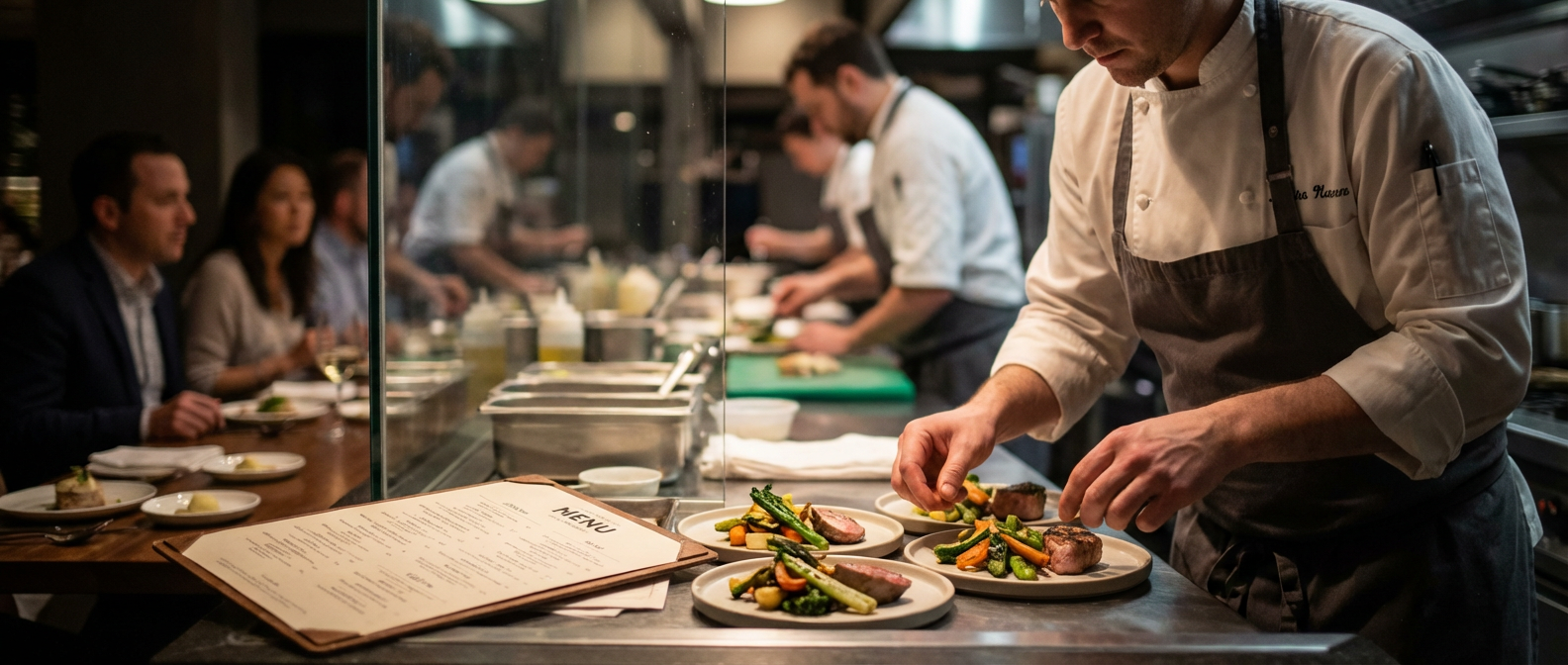
The data from dining research groups tells the story clearly. Restaurants are seeing a 12% decline in average entrée portion consumption among GLP-1 users who still eat out. Major chains including Applebee’s and Chili’s have already moved beyond observation into action, testing smaller-format menu options throughout 2025. These aren’t experimental side projects. These are direct responses to measurable customer behavior. When the numbers shift this consistently, the market responds. It always does.

What Restaurant Operators Are Actually Planning
According to the Technomic 2025 Healthy Eating Consumer Trend Report, 38% of restaurant operators have committed to introducing protein-forward, lower-volume dishes specifically designed with GLP-1 users in mind by mid-2026. The specificity matters here. This isn’t about offering a smaller salad or cutting the fries. This is about intentional menu architecture, selecting dishes where protein density and satiety align with how these medications actually work physiologically.
Independent restaurateurs, though, are flagging legitimate concerns. The James Beard Foundation’s 2025 industry survey identified GLP-1 menu adaptation as the single biggest operational challenge facing independent operators in the coming year. And that tension makes sense. Large chains have test kitchens, supply chain flexibility, and the infrastructure to pivot quickly. A chef running a 50-seat neighborhood restaurant operates under completely different constraints. The real challenge is figuring out how to serve this market without hollowing out the identity that built your restaurant in the first place.
The Seasonal Argument: Why Local Food Advocates Should Pay Attention
Here’s where the conversation gets interesting, especially if you care about sustainable food systems and seasonal cooking. The rigid portion standardization that dominated American restaurant culture for decades happened because volume and consistency drove profitability. Smaller portions require higher quality ingredients and more deliberate execution to justify their price point. You can’t hide behind quantity anymore.
This creates a real opportunity for restaurants that have already committed to seasonal sourcing and local partnerships. A spring vegetable dish built around what’s actually being harvested right now, with properly sourced proteins and refined technique, suddenly becomes economically viable in a way it might not have been when you were competing on portion size. The constraint becomes an advantage. A chef who knows the calendar and the specific producers in their region can build menus that feel inevitable rather than compromised.
What Food Companies Are Betting On
The commercial food world has already moved. Major manufacturers including Nestlé launched dedicated product lines supporting GLP-1 users in 2025, with Nestlé Vital Pursuit GLP-1 Support Meals generating over $50 million in projected first-year retail sales. When a corporation that size commits that much capital to a product category, it signals permanent market recognition. This isn’t cyclical. It’s structural.
The frozen meal space is particularly interesting because it sits in a middle ground. Restaurants compete on experience and freshness. Mass-produced frozen meals compete on convenience and accessibility. The real opportunity for independent restaurants lies in the gap between those two categories. A local restaurant offering smaller, carefully composed plates for takeout or delivery, emphasizing ingredients you can actually identify and techniques that reflect the season, can carve out genuine competitive territory against commodity solutions.
Moving Forward with Integrity
The temptation for some operators will be to treat GLP-1 adaptation as a checkbox exercise. Reduce portions, adjust pricing upward, and call it done. That’s how you end up serving the same mediocre food in smaller quantities at higher prices. That’s also how you lose customers who recognize the compromise immediately.
The restaurants that will do well here are the ones that use this constraint as a creative driver. Invest in ingredient quality. Refine your technique. Work with local producers to build menus that make sense within the seasons they actually inhabit. Make every component earn its place on the plate. That’s what separates restaurants that adapt from restaurants that genuinely improve.
The GLP-1 shift forces a reckoning that was probably overdue. For years, portions inflated partly because they were cheap to produce at scale. Now restaurants have economic permission to operate differently. That’s worth thinking about carefully, especially if you’ve been waiting for an industry-wide moment to build the restaurant you actually wanted to run. What questions does this shift raise for how you think about food, portions, and what restaurants should prioritize? I’d genuinely like to hear your perspective.