
Twenty Years in Kitchens Taught Me to Smell Bullshit From Miles Away
When federal investigators dropped the hammer on a massive natural wine fraud operation this past February, exposing a $2.8 billion scheme involving forty-three wine influencers and over a hundred fake wineries, my first reaction wasn’t shock. It was vindication. After two decades working restaurant wine programs, from dive bars to Michelin-starred establishments, I’ve watched the natural wine movement transform from a legitimate artisanal pursuit into something that felt increasingly hollow and performative.
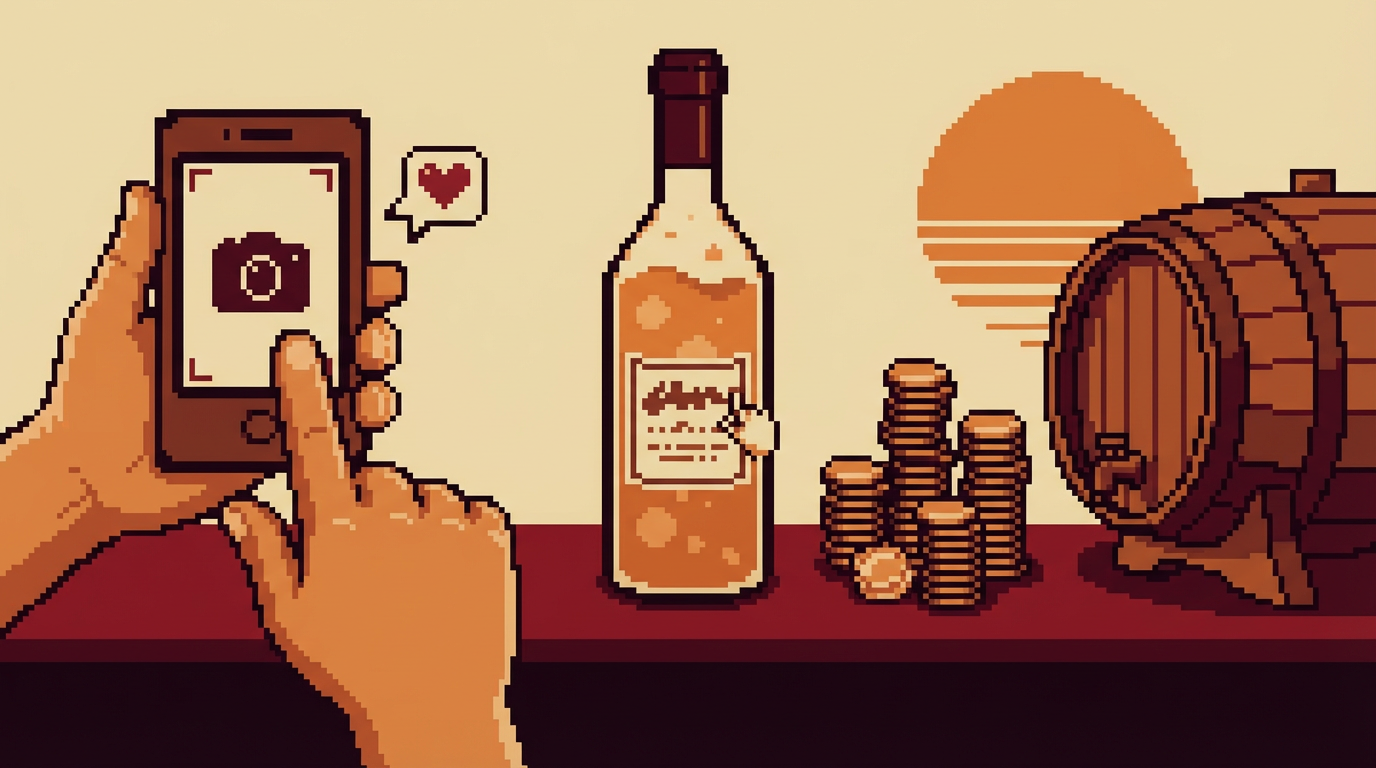
The numbers tell a devastating story. The FBI Natural Wine Fraud Investigation revealed that criminals were systematically selling conventionally produced wines with falsified natural certifications, primarily through Instagram and TikTok channels where sommeliers-turned-influencers built massive followings by promising access to “authentic” bottles. The scheme’s crown jewel was @naturalwinequeens, whose 1.2 million followers helped move $340 million worth of fraudulent wine before her arrest.
What makes this particularly infuriating is how predictable it was. When wine evaluation shifted from tasting rooms and restaurant floors to perfectly lit Instagram posts and sixty-second TikTok reviews, we created the perfect environment for fraud. Real natural winemaking is messy, inconsistent, and often produces wines that photograph terribly but taste extraordinary. The social media version was always too clean, too consistent, too pretty.
The Economics Never Added Up (And Neither Did the Wines)
Here’s what should have been the first red flag: legitimate natural wines are expensive to produce and inherently limited in quantity. True natural winemaking means working without sulfites, synthetic additives, or industrial yeasts. It requires exceptional fruit, meticulous cellar work, and accepting that some vintages will simply fail. This isn’t scalable production. That’s exactly why authentic natural wines typically cost between sixty and two hundred dollars per bottle from serious producers.
Yet these influencer darlings were consistently promoting “natural” wines in the twenty-five to forty-dollar range, claiming direct relationships with “small European producers” that somehow had unlimited inventory. I tasted dozens of these bottles over the past three years, both in restaurants and at industry events. The consistency was the tell. Real natural wines vary dramatically between vintages, sometimes between individual bottles from the same batch. These Instagram favorites tasted identical across multiple years and purchases.
The fraud worked because most consumers, and apparently many wine professionals, don’t actually understand what natural wine should taste or cost. When you’re buying wine based on how it photographs rather than how it drinks, you’re vulnerable to exactly this kind of manipulation. The criminals knew their market: people who wanted the status of drinking natural wine without the inconvenience of developing an actual palate.
Restaurant Wine Programs Are Hemorrhaging Money (And Trust)
The fallout has been brutal for legitimate natural wine producers and the restaurants that supported them. Since the scandal broke, wine sales for authentic natural wines have plummeted by fifty-two percent across the industry. I’ve spoken with wine directors at restaurants from Portland to Charleston, and the story is consistent: diners no longer trust natural wine sections, and many establishments have removed them entirely rather than deal with constant customer skepticism.
This is particularly tragic because some of the best wine experiences I’ve had in recent years have come from legitimate natural producers. Domaine de la Côte in Santa Barbara makes extraordinary Pinot Noir using traditional natural methods. Scholium Project in California creates wines that are genuinely expressive of their terroir. These producers are now paying the price for fraudsters who never understood what natural winemaking actually means.
The restaurant industry’s response has been swift and ruthless. Rather than invest time and staff training to help customers distinguish between authentic and fraudulent natural wines, most operators have simply eliminated the category. It’s a rational business decision, but it means that legitimate producers who spent years building distribution relationships are watching their restaurant accounts disappear overnight.
Blockchain Verification Won’t Fix Bad Palates
The industry’s solution has been typically tech-forward and fundamentally misguided. The Authentic Natural Wine Alliance, formed in March with backing from over two hundred verified producers, promises to restore consumer confidence through blockchain verification and digital certificates. It’s a well-intentioned effort, but it misses the fundamental problem: most wine fraud succeeds because consumers don’t know how to evaluate what they’re drinking.
No blockchain system can teach someone the difference between a wine fermented with indigenous yeasts and one made with commercial additives. No QR code can replace the experience of tasting dozens of natural wines from different producers and learning to recognize the subtle variations that indicate authentic production methods. Technology can verify provenance, but it cannot verify quality or authenticity of production methods after bottling.
The real solution is education and developing relationships with knowledgeable wine professionals who taste everything they sell. This means buying from wine shops with serious buyers, working with sommeliers who can explain their selections, and developing your own palate through deliberate tasting rather than Instagram recommendations.
What This Means for Your Wine Buying (And Your Wallet)
If you’re genuinely interested in natural wine, this scandal actually creates an opportunity. Legitimate producers are desperate to rebuild trust and many are offering direct sales at significant discounts. Some excellent natural wines that previously sold for eighty dollars are now available for fifty or sixty dollars directly from producers who lost their restaurant accounts.
The key is knowing what to look for. Authentic natural wine producers typically have detailed information about their farming and winemaking practices on their websites. They can explain their approach to sulfur use, their fermentation methods, and their philosophy. They’re usually happy to discuss vintage variation and acknowledge when certain years were challenging. Fraudulent operations rely on vague marketing language and lifestyle imagery rather than technical specifics.
Most importantly, trust your palate over your Instagram feed. Natural wines should taste different from conventional wines, often in ways that are initially challenging or unfamiliar. They should show variation between vintages and sometimes between bottles. If a “natural” wine tastes perfectly balanced and commercially appealing right out of the gate, be suspicious. Real natural winemaking prioritizes expression over palatability, which means the best bottles often require time, proper serving temperature, and an open mind.
This scandal won’t kill natural wine because the best producers were never dependent on social media marketing in the first place. But it might finally force consumers to develop the kind of relationships with wine professionals that actually matter. If you want to explore natural wines without getting scammed, start by finding a wine shop or restaurant where someone can hand you a glass and explain what makes it special.